


Fast & Free Shipping
Expert Customer Service
Wonder Selection
Amazing Value Every Day


Shop by Collection
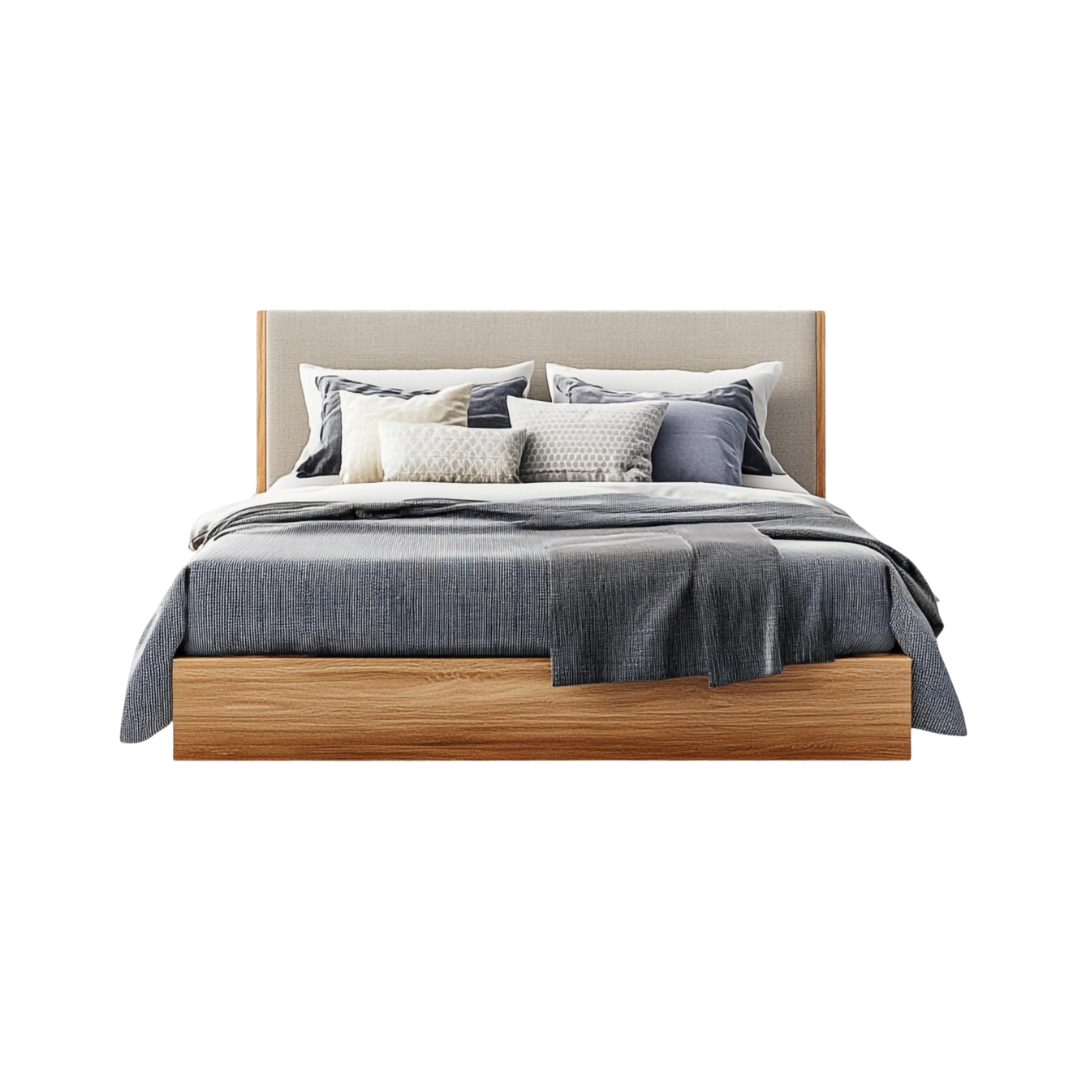


Waterproof
Protects against accidental spills, sweat, and moisture to keep your surfaces dry and damage-free. Ideal for homes with kids, pets, or just life’s little surprises.

Allergen Resistant
Acts as a barrier against dust mites, pollen, and other allergens that can disturb your sleep. Perfect for allergy-prone individuals seeking a cleaner, healthier environment.

Hygiene & Comfort
Combines cleanliness with softness—no compromise. Our protectors are breathable, gentle on skin, and easy to wash for everyday freshness.
Why Choose Mattguards?
Superior Protection
Say goodbye to stains, spills, and dust mites, MattGuards creates a reliable waterproof barrier without compromising comfort.
Premium Quality & Fit
Crafted with high-quality fabric and elastic edges, it stays snug and wrinkle-free even through tossing and turning. Perfectly balanced comfort and protection.
Long-Term Mattress Care
Prolongs your mattress life by keeping it fresh, clean, and odour-free saving you from frequent deep cleans or early replacements.


Bulk Query
Protection, Premium Comfort-Tailored for Your Business
We offer premium protectors for mattresses, sofas, and much moreperfect for hotels, wholesalers, hostels and hospitality spaces.
Trusted for durability, loved for comfort.
Protection that’s Kind to You-and the Planet


Latest Blog Posts

The Hidden Benefits of Using a Pillow Protector Every Night
on Jun 03, 2026
When parents think about creating a comfortable and healthy sleeping environment, their attention usually goes straight to mattresses, pillows, blankets, and bedsheets. These are the visible parts of a bedding setup, and understandably, they receive most of the focus. Yet one of the most valuable bedding accessories often goes unnoticed: the pillow protector.
At first glance, a pillow protector may seem like an optional extra. After all, if your pillow already has a pillowcase, why would it need another layer of protection? The answer becomes clear once you understand what happens to a pillow night after night.
Every evening, pillows absorb moisture, oils from skin and hair, sweat, dust, dead skin cells, and airborne particles. Over time, these contaminants gradually penetrate the pillow itself, affecting cleanliness, comfort, durability, and even sleep quality. A pillow protector serves as a protective barrier that helps preserve the pillow while contributing to a healthier sleeping environment.
For parents, this benefit becomes even more important. Children spend a significant portion of their lives sleeping, and maintaining a clean sleep surface can make a meaningful difference in their overall comfort and well-being. The hidden advantages of using a pillow protector every night extend far beyond keeping a pillow clean.
The Invisible Battle Happening Inside Your Pillow
Most pillows appear clean from the outside because they are covered with attractive pillowcases that are washed regularly. What many people don't realize is that pillowcases alone are not designed to provide complete protection.
During sleep, the body naturally releases moisture. Even in air-conditioned rooms, small amounts of perspiration accumulate throughout the night. Hair products, skin oils, lotions, and environmental dust also find their way onto bedding.
Without an additional protective layer, these substances gradually seep into the pillow filling. Over months and years, the pillow can become a collection point for unwanted contaminants. While the changes may not be immediately visible, they can affect freshness, hygiene, and pillow performance.
A quality pillow protector acts as a shield, preventing these substances from reaching the pillow core. This creates a cleaner sleep environment while helping maintain the pillow's original condition.
Creating a Cleaner Sleep Space for Growing Children
Parents are constantly searching for ways to create healthier living environments for their children. Bedrooms are no exception.
Children often spend more time in bed than adults. Between nighttime sleep, naps, reading sessions, and occasional playtime, their pillows receive considerable daily use.
Because children are naturally active, their bedding can be exposed to drool, sweat, accidental spills, and everyday messes. A pillow protector helps keep these elements away from the pillow itself, making cleaning and maintenance significantly easier.
Instead of worrying about replacing stained or damaged pillows, parents can simply remove and wash the protector. This practical solution helps maintain cleanliness without requiring constant pillow replacement.
The result is a fresher sleeping surface that supports everyday comfort while simplifying household routines.
Extending the Life of Your Favorite Pillows
Pillows are an investment in quality sleep. Whether you prefer soft, plush pillows or supportive orthopedic options, replacing them frequently can become expensive.
One of the hidden advantages of pillow protectors is their ability to significantly extend pillow lifespan.
When moisture, dirt, and oils penetrate pillow materials, they gradually break down fibers and fillings. This deterioration can cause pillows to lose their shape, support, and comfort over time.
By acting as a protective barrier, pillow protectors help reduce wear and tear caused by daily use. Pillows remain cleaner, maintain their structure longer, and continue providing consistent support.
For families managing multiple beds throughout the home, extending pillow life can result in substantial long-term savings.
Protection Against Everyday Accidents
Parents understand that accidents are simply part of family life.
Young children may spill drinks while reading in bed. Babies and toddlers can experience nighttime leaks. Illnesses may bring unexpected messes. Even adults occasionally deal with accidental spills.
Without protection, these incidents can permanently damage pillows. Once liquids reach the pillow filling, cleaning becomes difficult and sometimes impossible.
A high-quality pillow protector provides an extra line of defense. It helps prevent liquids from penetrating the pillow while allowing parents to quickly remove and wash the protective cover.
This simple safeguard can save both money and frustration while preserving the quality of household bedding.
Helping Maintain Freshness Night After Night
Few things feel better than climbing into a fresh, clean bed at the end of a busy day.
However, maintaining that freshness requires more than washing pillowcases and sheets. Since pillows absorb moisture and oils over time, they can gradually develop odors that are difficult to remove.
Pillow protectors help reduce this issue by creating a washable barrier between the sleeper and the pillow.
Regular laundering of the protector helps maintain a fresher sleeping environment while preventing odors from becoming embedded in the pillow itself.
For parents balancing work, family responsibilities, and household management, this added convenience can make a noticeable difference.
Supporting Better Bedding Hygiene
Modern families are increasingly aware of the importance of hygiene throughout the home.
Bedrooms may appear clean, but bedding naturally accumulates particles from everyday living. Dust, pet dander, environmental pollutants, and skin debris can all become trapped within sleep surfaces.
Pillow protectors provide an additional layer of defense against these common contaminants. Because they can be removed and washed more frequently than pillows themselves, they contribute to improved bedding hygiene.
This is particularly valuable in homes with children, where maintaining clean sleeping environments often becomes a top priority.
Comfort Without Compromise
Some people hesitate to use pillow protectors because they worry about comfort.
Years ago, protective bedding products sometimes felt stiff, noisy, or uncomfortable. Today's advanced materials have transformed that experience.
Modern pillow protectors are designed to provide protection while preserving softness and breathability. Many are crafted from comfortable fabrics that allow sleepers to enjoy the same cozy feel they expect from their bedding.
Parents no longer need to choose between protection and comfort. With the right protector, both can coexist seamlessly.
A Practical Solution for Busy Families
Parents know that time is one of their most valuable resources.
Between school schedules, work commitments, meal preparation, extracurricular activities, and household chores, every minute counts.
Pillow protectors simplify bedding maintenance by reducing the need for deep pillow cleaning and premature replacement. Instead of dealing with difficult stains or extensive washing routines, families can focus on cleaning a removable protective layer.
This convenience may seem minor at first, but over time it contributes to a more manageable household routine.
Sometimes the best solutions are the simplest ones.
An Extra Layer of Confidence for Parents
There is a unique peace of mind that comes from knowing your family's sleeping environment is protected.
Parents spend considerable effort selecting the right mattress, sheets, blankets, and pillows. Adding a pillow protector helps complete that investment.
Knowing that pillows are shielded from moisture, spills, stains, and everyday contaminants allows parents to worry less about accidental damage and focus more on creating restful sleep experiences.
This confidence becomes especially valuable when caring for infants, toddlers, or young children whose bedding needs may change frequently.
Protecting Different Types of Pillows
Not all pillows are created equal.
Memory foam pillows, fiber-filled pillows, orthopedic pillows, and specialty support pillows each require proper care to maintain performance.
Many of these products represent significant investments. Replacing them due to staining, moisture damage, or premature wear can be costly.
Pillow protectors help preserve a wide range of pillow materials by minimizing exposure to common threats. This protection supports long-term durability regardless of pillow type.
For households with multiple sleeping preferences, a protective solution becomes even more beneficial.
Part of a Complete Bedding Protection Strategy
A pillow protector works best when viewed as part of a broader bedding protection system.
Many families already recognize the value of mattress protectors because mattresses are expensive and difficult to clean. The same logic applies to pillows.
When paired with quality mattress protectors, crib mattress protectors, pillow protectors, medical mats, adult protective mats, and other bedding protection solutions, families create a more comprehensive defense against everyday wear and tear.
This integrated approach helps preserve bedding investments while maintaining cleanliness and comfort throughout the home.
Why Modern Parents Are Choosing Smarter Bedding Solutions
Today's parents are increasingly focused on products that deliver long-term value.
Rather than waiting until bedding becomes damaged, many families are taking proactive steps to protect household essentials from the start.
Pillow protectors fit perfectly within this mindset. They offer practical protection, support cleanliness, reduce replacement costs, and simplify maintenance.
Most importantly, they accomplish these goals without adding complexity to daily life.
In a world where parents are constantly balancing competing priorities, products that provide multiple benefits through a simple solution stand out.
The Small Upgrade That Delivers Big Results
Some household improvements require significant investments. Others require major lifestyle changes.
A pillow protector is neither.
It represents one of the simplest upgrades parents can make to their family's sleep environment. Yet its impact extends far beyond its modest appearance.
By helping preserve pillow quality, improving cleanliness, protecting against spills, maintaining freshness, and supporting long-term bedding performance, pillow protectors quietly deliver benefits every single night.
These advantages often remain unnoticed because the protector is working behind the scenes. But over time, the difference becomes clear through cleaner pillows, fewer replacements, easier maintenance, and greater peace of mind.
Suggested Reading: How Waterproof Mattress Protectors Help Families Save Money on Mattress Replacement
Conclusion
When it comes to creating a healthier, cleaner, and more comfortable sleep environment, the smallest details often make the biggest difference. A pillow protector may not be the first bedding product that comes to mind, but its hidden benefits make it an essential addition to any family's bedding setup. From protecting pillows against moisture and stains to extending their lifespan and supporting better hygiene, this simple layer of protection offers value that continues night after night. Parents looking for practical ways to safeguard their bedding investments while maintaining comfort can benefit greatly from incorporating pillow protectors into their daily routine.
Families seeking reliable bedding protection solutions can explore the range of products available from Matt Guards. Along with high-quality pillow protectors, the company offers mattress protectors, crib mattress protectors, adult protective mats, medical mats, and other protective bedding essentials designed to enhance cleanliness, comfort, and durability. By choosing dependable bedding protection products, parents can create a sleep environment that remains fresher, cleaner, and more comfortable for every member of the family.

How Waterproof Mattress Protectors Help Families Save Money on Mattress Replacement
on Jun 02, 2026
A mattress is one of the most important investments in any home. It supports restful sleep, contributes to physical comfort, and plays a major role in overall well-being. Yet, despite spending a significant amount of money on a quality mattress, many families unknowingly shorten its lifespan through everyday accidents, spills, moisture exposure, and general wear. For parents especially, maintaining a mattress can feel like an endless challenge. From nighttime accidents and spilled drinks to unexpected illnesses and pet-related mishaps, mattresses often face more stress than people realize.
While many homeowners focus on choosing the perfect mattress, they sometimes overlook one of the simplest ways to protect that investment: a waterproof mattress protector. This practical bedding solution acts as a barrier between the mattress and the realities of everyday family life. More importantly, it can help families avoid the costly burden of premature mattress replacement.
When viewed from a long-term financial perspective, waterproof mattress protectors are not just accessories. They are protective tools that save money, extend mattress life, and provide peace of mind. Understanding how they work and why they matter can help parents make smarter decisions for their homes and their budgets.
The Hidden Cost of Mattress Damage
Most families expect mattresses to last for many years. However, mattress deterioration often happens gradually and goes unnoticed until it becomes severe. Small spills, sweat, moisture, and stains slowly penetrate mattress layers over time. Once moisture reaches the internal materials, it can lead to unpleasant odors, mold growth, bacterial buildup, and structural damage.
Children are often responsible for some of the most common mattress accidents. Bedwetting, spilled juice, milk bottles, snacks in bed, and occasional sickness can all leave lasting effects. Even adults contribute to mattress wear through natural body perspiration, which accumulates night after night.
The financial impact becomes evident when a mattress begins to sag, smell, or lose its comfort. Replacing a mattress can cost hundreds or even thousands of dollars depending on the size and quality. For growing families already managing household expenses, replacing mattresses more frequently than necessary can become a significant financial burden.
Waterproof mattress protectors offer a simple way to prevent these issues before they develop into expensive problems.
Why Moisture Is a Mattress’s Biggest Enemy
Many people think mattress damage comes primarily from visible stains. In reality, moisture is often the greater threat.
Every night, the human body releases moisture through perspiration. Over time, this moisture seeps into mattress materials. Since mattresses are designed to absorb pressure and provide cushioning, they can also absorb liquids surprisingly well.
Once moisture enters the mattress core, it becomes difficult to remove completely. Even after surface cleaning, internal dampness can remain trapped. This creates an environment where bacteria, mold, and allergens can thrive.
For parents, this issue becomes even more significant. Young children frequently experience nighttime accidents. Babies may leak through diapers. Toddlers may spill drinks. Family pets may have occasional accidents. Each incident introduces moisture that can compromise mattress integrity.
A waterproof mattress protector creates a protective barrier that prevents liquids from reaching the mattress. Instead of soaking into expensive mattress materials, spills remain on the protector where they can be easily cleaned.
Extending Mattress Lifespan Through Prevention
One of the biggest financial advantages of waterproof mattress protectors is their ability to extend mattress longevity.
Think of a mattress as a long-term investment. Just as homeowners protect floors with rugs or use covers for outdoor furniture, mattresses benefit from preventive care.
A mattress protected from moisture, stains, dirt, and allergens typically maintains its structure and comfort for a longer period. The foam, springs, and cushioning layers remain in better condition because they are not constantly exposed to damaging contaminants.
For families, this means delaying the need for costly mattress replacement. Instead of purchasing a new mattress every few years due to damage, households can maximize the value of their original investment.
The cost difference is substantial. A quality waterproof protector costs only a small fraction of what a new mattress would cost. Over the lifespan of the mattress, the savings can be significant.
Protection Against Everyday Family Accidents
Parents understand that accidents are simply part of family life. No matter how careful everyone tries to be, spills and messes happen.
Children love bringing snacks, juice boxes, and water bottles into bedrooms. Babies can leak during naps. Toddlers may experience toilet-training setbacks. Even teenagers occasionally spill drinks while studying or watching movies in bed.
Without protection, these accidents often leave permanent marks on mattresses. Even if stains appear minor initially, they can cause lingering odors and material degradation over time.
A waterproof mattress protector serves as a shield against these everyday incidents. Instead of worrying about expensive mattress damage, parents can simply remove the protector, wash it, and restore the bed to a clean condition.
This convenience reduces stress while protecting one of the home's most frequently used furnishings.
Reducing the Risk of Mold and Mildew Growth
Moisture trapped inside mattresses creates ideal conditions for mold and mildew development. This issue becomes particularly problematic in humid climates where moisture levels are naturally higher.
Mold growth does more than damage a mattress. It can create unpleasant smells and contribute to poor indoor air quality. Once mold becomes established inside mattress layers, removal can be extremely difficult and often impossible.
In many cases, mattresses affected by severe mold growth must be replaced entirely.
Waterproof mattress protectors help eliminate this risk by preventing liquids from penetrating deep into the mattress. By keeping internal materials dry, they reduce the conditions necessary for mold and mildew development.
For families with young children, maintaining a cleaner and healthier sleeping environment becomes an added benefit.
Maintaining Mattress Warranty Coverage
Many mattress owners are surprised to learn that stains can void mattress warranties.
Manufacturers often include strict warranty requirements. If a mattress develops a defect but also contains visible stains, warranty claims may be denied. The presence of stains can make it difficult for manufacturers to determine whether damage resulted from a manufacturing issue or improper care.
This means that a single spill could potentially eliminate warranty protection on a mattress worth hundreds or thousands of dollars.
A waterproof mattress protector helps preserve warranty eligibility by keeping the mattress surface clean and stain-free. Should a legitimate warranty issue arise, families are more likely to receive support from the manufacturer.
This additional layer of financial protection often goes unnoticed until it becomes necessary.
Creating a Healthier Sleep Environment
Saving money is important, but maintaining a healthy sleeping environment is equally valuable.
Over time, mattresses accumulate dust mites, allergens, skin cells, and moisture. These contaminants can affect sleep quality and contribute to allergies or respiratory discomfort.
Waterproof mattress protectors help reduce exposure to these irritants by creating a barrier between sleepers and mattress materials. Many modern protectors are designed to be breathable while still offering reliable waterproof performance.
For parents concerned about their children's comfort and health, this combination of cleanliness and protection offers meaningful advantages.
A cleaner mattress often translates into better sleep quality, fewer disruptions, and greater peace of mind.
How Specialized Mattress Protection Meets Different Family Needs
Not every household has identical requirements. Different stages of life create different mattress protection challenges.
Parents with infants often prioritize protection from diaper leaks and feeding accidents. Families with toddlers focus on potty-training mishaps. Households caring for elderly relatives may require additional moisture protection. Pet owners need solutions that guard against unexpected accidents.
This is where specialized waterproof mattress protectors become particularly valuable.
Products designed for varying needs help families choose protection levels that align with their daily realities. Rather than relying on temporary solutions such as towels or disposable pads, households can invest in purpose-built protection that consistently safeguards mattresses.
The result is greater durability, improved hygiene, and lower long-term costs.
Why Medical Mats and Adult Protection Mats Matter
Many people associate mattress protection only with children's beds, but adult sleeping surfaces require protection as well.
Medical conditions, recovery periods, caregiving situations, and age-related concerns can create additional moisture-management needs. Specialized medical mats and adult protective mats provide reliable protection while helping maintain cleanliness and comfort.
These solutions can significantly reduce cleaning expenses and help preserve expensive mattresses during challenging situations.
Families caring for aging parents or recovering loved ones often discover that preventive protection is far more affordable than replacing damaged mattresses later.
By addressing moisture concerns proactively, households avoid unnecessary replacement costs and maintain better sleeping conditions for everyone involved.
The Value of Pillow Protection
While mattresses represent a major investment, pillows also contribute to sleep quality and comfort.
Pillows absorb sweat, oils, moisture, and allergens over time. Without adequate protection, they may require frequent replacement.
Waterproof pillow protectors add another layer of defense, helping extend pillow lifespan while maintaining cleanliness. When combined with mattress protection, they create a more comprehensive bedding protection system.
For families looking to maximize the longevity of their sleep products, protecting both mattresses and pillows can generate substantial savings over time.
Crib Mattress Protection for Growing Families
Parents often spend considerable time selecting the perfect crib mattress. However, babies create unique challenges when it comes to moisture protection.
Diaper leaks, spit-up incidents, bottle spills, and other accidents occur regularly during infancy. Without proper protection, crib mattresses can quickly become stained or damaged.
Waterproof crib mattress protectors help parents preserve their investment while maintaining a clean and hygienic sleeping space for their baby.
Because babies spend so much time sleeping, ensuring mattress cleanliness becomes especially important. A protected crib mattress stays fresher for longer and may remain usable for future siblings, creating additional long-term value.
The Financial Logic Behind Prevention
Household budgeting often involves balancing immediate costs against future savings. Waterproof mattress protectors illustrate this principle perfectly.
Some families hesitate to purchase protectors because they view them as optional accessories. However, this perspective often changes when compared with the cost of mattress replacement.
A single mattress accident can cause irreversible damage. One major spill, prolonged moisture exposure, or mold issue may require complete replacement. Compared with that expense, investing in protection becomes an easy financial decision.
The most effective money-saving strategies are often preventive rather than reactive. Waterproof mattress protectors embody this concept by helping families avoid avoidable expenses before they occur.
Peace of Mind Is Part of the Value
Financial savings are only one part of the equation.
Parents already juggle countless responsibilities. Worrying about mattress damage after every spill or nighttime accident adds unnecessary stress.
Waterproof mattress protectors provide reassurance. Families can focus on daily life without constantly worrying about protecting their mattresses from unexpected mishaps.
That confidence becomes particularly valuable during potty training, infancy, illness, and caregiving situations. Knowing that expensive bedding investments are protected allows parents to concentrate on what matters most: caring for their loved ones.
Suggested Reading: Why Every Home Needs a Reliable Mattress Protector for Long-Term Mattress Care
Conclusion
Waterproof mattress protectors may seem like a simple bedding accessory, but their long-term value extends far beyond basic convenience. They serve as a practical defense against moisture, stains, allergens, odors, and premature mattress deterioration. For families, this protection translates directly into financial savings by extending mattress lifespan and reducing the likelihood of costly replacements.
From children's beds and baby cribs to adult mattresses and specialized care environments, waterproof protection helps preserve comfort, cleanliness, and peace of mind. Instead of waiting for damage to occur, families can take proactive steps that protect both their sleep environment and their household budget.
For parents looking to safeguard their mattress investments, comprehensive protection solutions can make a remarkable difference. Whether it's waterproof mattress protectors, crib mattress protectors, pillow protectors, medical mats, or adult protective mats, choosing reliable protection helps ensure mattresses stay cleaner and last longer. Families seeking durable and practical bedding protection solutions can explore the wide range of products available from Matt Guards, where mattress protection is designed to support everyday family life while helping households save money for years to come.

Why Every Home Needs a Reliable Mattress Protector for Long-Term Mattress Care
on Jun 01, 2026
A mattress is one of the most important investments in any home. It supports restful sleep, helps the body recover from daily activities, and plays a major role in overall health and well-being. Yet many families spend significant time choosing the right mattress while overlooking one simple product that can dramatically extend its lifespan: a reliable mattress protector.
For parents, maintaining a clean and hygienic sleeping environment is often a daily challenge. From accidental spills and nighttime mishaps to dust, sweat, and allergens, mattresses are exposed to countless factors that can affect their condition over time. While mattresses are designed to provide comfort and support, they are not immune to damage. Once moisture, dirt, or contaminants penetrate deep into the mattress layers, cleaning becomes difficult and sometimes impossible.
This is where a quality mattress protector becomes an essential household companion. It acts as a protective barrier between the mattress and everyday life, helping families preserve their investment while creating a healthier sleep environment. Companies like Matt Guards have recognized this need and developed practical bedding protection solutions that cater to modern households, offering products designed for comfort, durability, and long-term mattress care.
Understanding the Hidden Threats to Your Mattress
Most people assume their mattress remains clean simply because it is covered with a bedsheet. However, sheets alone cannot provide complete protection.
Every night, the human body naturally releases moisture through perspiration. Even in air-conditioned rooms, sweat and body oils gradually seep through fabric layers. Over time, these substances accumulate within the mattress, creating an environment that can harbor bacteria, allergens, and unpleasant odors.
Parents are especially familiar with the unexpected accidents that occur in family homes. Young children may spill milk, juice, or water during bedtime routines. Potty training stages can bring occasional nighttime accidents. Even pets jumping onto beds can contribute dirt and moisture.
Without proper protection, these incidents can permanently stain a mattress and shorten its useful life. A mattress protector serves as the first line of defense, preventing liquids and contaminants from reaching the mattress core.
Why Mattress Protection Matters More for Families
Families place unique demands on their mattresses. Unlike a guest bedroom mattress that may be used occasionally, family mattresses often endure years of continuous use.
Children love reading, snacking, and playing on beds. Parents frequently spend time comforting sick children, feeding infants, or sharing bedtime stories. These everyday activities increase the likelihood of spills and stains.
A mattress protector creates peace of mind. Instead of worrying about every dropped bottle or accidental spill, parents can focus on family moments knowing their mattress remains protected underneath.
The value extends beyond cleanliness. Replacing a damaged mattress can be expensive. Protecting it from the beginning helps families maximize their investment and avoid unnecessary replacement costs.
Creating a Healthier Sleep Environment
A clean mattress contributes directly to better sleep quality. Dust, allergens, and moisture accumulation can negatively affect sleeping conditions over time.
Children, in particular, may be more sensitive to environmental irritants. Protecting the mattress from dust and contaminants helps maintain a cleaner sleeping surface and supports overall household hygiene.
Matt Guards offers mattress protection solutions designed with practicality in mind. Their products help families maintain cleaner bedding environments while ensuring comfort remains a priority.
The best mattress protectors do not simply block liquids. They also allow airflow and maintain a comfortable sleeping temperature, ensuring that protection never comes at the expense of sleep quality.
The Role of Waterproof Protection in Everyday Living
Waterproof protection is one of the most valuable features a mattress protector can provide.
Life is unpredictable, especially in homes with children. A glass of water knocked over during the night, a leaking diaper, or a sick child can result in significant mattress damage if liquids penetrate deeply into the mattress layers.
A waterproof mattress protector acts as a barrier that prevents liquids from reaching the mattress while still maintaining softness and comfort.
Modern waterproof technologies have evolved significantly. Gone are the days when waterproof bedding felt stiff, noisy, or uncomfortable. Today's advanced materials allow families to enjoy effective protection without compromising on comfort.
Matt Guards offers waterproof protection solutions that help preserve mattresses against everyday accidents while supporting a pleasant sleeping experience.
Extending the Life of Your Mattress Investment
Most quality mattresses are designed to last many years. However, their lifespan depends heavily on how well they are maintained.
Moisture is one of the biggest threats to mattress longevity. When liquids penetrate the mattress, they can break down internal materials, weaken structural integrity, and create unpleasant odors.
A mattress protector significantly reduces these risks. By preventing direct exposure to moisture and contaminants, it helps preserve the mattress's original condition for a longer period.
This protection can translate into substantial savings over time. Rather than replacing a mattress prematurely due to stains or damage, families can continue enjoying comfortable sleep on a mattress that remains clean and well-maintained.
Why Breathability Matters as Much as Protection
Many people assume waterproof protection automatically means reduced comfort. However, the most effective mattress protectors balance protection with breathability.
Air circulation plays an important role in maintaining sleep comfort. A breathable protector allows heat and moisture to dissipate naturally, helping sleepers remain comfortable throughout the night.
Parents often prioritize products that combine functionality with comfort, and rightly so. A mattress protector should enhance the sleeping experience rather than interfere with it.
Matt Guards understands this balance and offers products designed to provide dependable protection while supporting comfortable sleep conditions.
Protection Beyond the Master Bedroom
Mattress protection is valuable throughout the entire home.
Children's beds are perhaps the most obvious candidates for mattress protectors, but protection should not stop there.
Guest rooms benefit from mattress protectors because they help maintain cleanliness between visits. Spare mattresses remain protected from dust and accidental spills. Elderly family members may also benefit from added mattress protection that supports hygiene and ease of maintenance.
Matt Guards extends its product range beyond traditional mattress protectors, offering solutions that address various household needs and sleeping environments.
The Importance of Crib Mattress Protection
Parents of infants quickly learn that maintaining a clean sleeping environment requires constant attention.
Babies are prone to diaper leaks, spit-ups, drooling, and occasional feeding accidents. A crib mattress without proper protection can quickly become stained and difficult to clean.
A crib mattress protector provides a practical solution by helping safeguard the mattress from moisture while supporting a cleaner sleeping surface for babies.
Matt Guards offers crib mattress protection products designed specifically for these everyday parenting challenges. These solutions help parents maintain hygiene standards while reducing the stress associated with unexpected messes.
Pillow Protection Often Gets Overlooked
While mattresses receive most of the attention, pillows also require protection.
Pillows absorb sweat, oils, moisture, and allergens over time. Without protection, they can lose freshness more quickly and require more frequent replacement.
Pillow protectors create an additional layer of defense that helps preserve pillow cleanliness and longevity. They also simplify maintenance because protectors can typically be removed and washed more easily than pillows themselves.
Matt Guards provides pillow protector solutions that complement mattress protection strategies, helping families create a more comprehensive bedding care routine.
Medical Mats and Specialized Protection Solutions
Many households have unique care requirements that extend beyond standard bedding protection.
Medical mats play an important role in supporting individuals who require additional protection due to mobility challenges, recovery needs, or healthcare-related circumstances.
These products help maintain hygiene standards while protecting bedding and furniture from moisture-related damage.
Matt Guards recognizes the importance of specialized protection products and offers solutions designed to meet these practical needs while prioritizing comfort and reliability.
Adult Protective Mats for Everyday Convenience
Adult protective mats are becoming increasingly valuable in modern households.
Whether caring for aging parents, supporting recovery after surgery, or managing specific health situations, families often require dependable protective solutions that offer dignity, comfort, and convenience.
These products help safeguard mattresses and furniture while simplifying cleaning routines.
By incorporating quality protective mats into the home, caregivers can focus more on providing support and less on worrying about accidental damage to household furnishings.
The Convenience of Easy Maintenance
One of the greatest advantages of mattress protectors is their simplicity.
Cleaning a mattress can be time-consuming and often yields limited results. Deep stains and moisture penetration may remain even after extensive cleaning efforts.
A mattress protector changes the equation entirely. Instead of attempting to clean the mattress itself, families can simply remove the protector and wash it according to care instructions.
This convenience saves time, reduces stress, and helps maintain a consistently cleaner sleeping environment.
Busy parents especially appreciate products that simplify household maintenance without sacrificing effectiveness.
Reducing Long-Term Household Expenses
Home maintenance costs can accumulate quickly. Replacing mattresses, pillows, and bedding due to preventable damage adds unnecessary expense.
A mattress protector represents a relatively small investment compared to the cost of replacing a mattress.
By preventing stains, moisture damage, and premature wear, it helps families protect one of the most expensive items in the bedroom.
Viewed from a long-term perspective, mattress protection is not merely an accessory. It is a practical strategy for preserving household investments and reducing future replacement costs.
Comfort and Protection Can Coexist
Many consumers hesitate to use mattress protectors because they worry about affecting mattress comfort.
Modern mattress protection technology has addressed these concerns effectively. High-quality protectors are designed to be soft, breathable, and discreet.
When properly fitted, they remain virtually unnoticeable beneath fitted sheets while delivering continuous protection.
The result is a sleeping experience that feels natural and comfortable while providing confidence that the mattress underneath remains safeguarded.
Building Better Sleep Habits for Children
Children learn household habits through observation and routine.
Using mattress protectors teaches the importance of caring for personal belongings and maintaining clean sleeping environments.
Parents who prioritize mattress care often find it easier to establish broader habits related to cleanliness, organization, and responsibility.
Although children may not immediately appreciate the value of mattress protection, these practices contribute to a healthier and more organized home environment over time.
The Future of Home Bedding Protection
As families become more aware of hygiene, comfort, and long-term value, mattress protection continues to evolve.
Today's consumers expect products that offer durability, convenience, breathability, and reliable performance. They want protection solutions that integrate seamlessly into everyday life without sacrificing comfort.
Companies focused on innovation and practical household needs are helping redefine what consumers expect from bedding protection products.
The growing popularity of mattress protectors, pillow protectors, crib protectors, medical mats, and adult protective mats reflects a broader understanding that preventative care is often the smartest approach to home maintenance.
Suggested Reading: Why Adult Protective Mats Are Becoming Essential in Every Home
Conclusion
A mattress plays a vital role in daily comfort, health, and overall quality of life. Protecting that investment should be a priority for every household, especially for families managing the everyday realities of parenting. From accidental spills and moisture exposure to dust, allergens, and general wear, mattresses face countless challenges throughout their lifespan.
A reliable mattress protector provides an effective solution by creating a protective barrier that helps preserve cleanliness, comfort, and durability. Combined with complementary products such as pillow protectors, crib mattress protectors, medical mats, and adult protective mats, families can create a more hygienic and well-maintained sleeping environment.
When it comes to dependable bedding protection solutions, Matt Guards stands out as a trusted resource for modern households. Their range of mattress protectors, pillow protectors, crib mattress protectors, medical mats, and adult protective mats is designed to help families safeguard their bedding investments while enjoying greater peace of mind. To explore practical and comfortable protection solutions that support long-term mattress care, visit Matt Guards at https://mattguards.com/ and discover how the right protective products can make a meaningful difference in every home.
Popular Searches:
Lycra Mattress Protector |
Terry Mattress Protector |
Terry Elastic Mattress Protector |
Waterproof Mattress Protector |
Adults Mats |
Medical Mattress |
Lycra Maroon Waterproof Mattress Protector |
Lycra Camel Waterproof Mattress Protector |
Lycra Navy Blue Waterproof Mattress Protector |
Lycra Grey Waterproof Mattress Protector |
Lycra White Waterproof Mattress Protector |
Lycra Dark Brown Waterproof Mattress Protector |
Terry Elastic Maroon Waterproof Mattress Protector |
Terry Elastic White Waterproof Mattress Protector |
Terry Elastic Grey Waterproof Mattress Protector |
Terry Elastic Navy Blue Waterproof Mattress Protector |
Terry Elastic Dark Brown Waterproof Mattress Protector |
Terry Elastic Camel Waterproof Mattress Protector |
Terry Maroon Waterproof Mattress Protector |
Terry Camel Waterproof Mattress Protector |
Terry White Waterproof Mattress Protector |
Terry Grey Waterproof Mattress Protector |
Terry Dark Brown Waterproof Mattress Protector |
Terry Navy Blue Waterproof Mattress Protector


